
IPTV vs Cable in Canada: Which One Is Better?
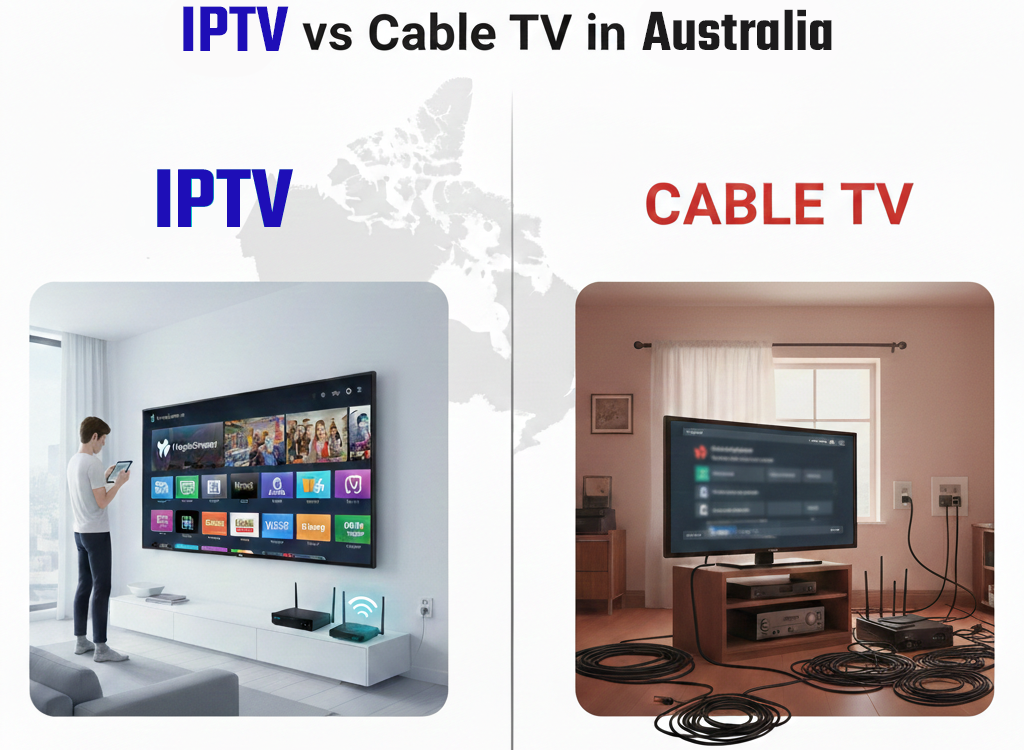
- By Dreamtv IPTV Australia
- February 8, 2026
- Default
Introduction
Many Australians are exploring the choice between IPTV and cable TV to find the best fit for their viewing preferences. While both provide access to television content, they differ considerably in cost, flexibility, and overall viewing experience.
This guide breaks down IPTV versus cable TV in Australia in a clear, unbiased manner.
How Cable TV Works in Australia
Cable TV delivers channels through physical networks managed by telecom providers. Typically, subscribers:
- Pay monthly service fees
- Rent necessary equipment
- Receive fixed channel bundles
While cable offers reliable service, it can be costly and less flexible.
How IPTV Differs from Cable
IPTV (Internet Protocol Television) streams content directly over the internet to your devices. It doesn’t require heavy infrastructure or long-term contracts.
Key differences include:
- IPTV allows streaming of selected content on demand
- Cable broadcasts channels continuously
- IPTV works on multiple devices simultaneously
- Cable relies on dedicated hardware
Cost Comparison
Cable TV:
- Higher monthly subscription fees
- Equipment rental costs
- Often requires long-term contracts
IPTV:
- Lower subscription costs in most cases
- Minimal hardware required
- Flexible, pay-as-you-go plans
For Australians looking to save, IPTV often offers a more budget-friendly alternative.
Channel Availability
Cable packages are usually fixed, while IPTV services provide:
- Customizable channel lineups
- Access to international content
- Multilingual programming options
This flexibility is especially appealing in Australia’s diverse, multicultural households.
Picture Quality & Performance
Cable generally delivers consistent picture quality, though resolution options may be limited. IPTV quality depends on internet speed and stability, but with the right setup, it can support HD, 4K, and even 8K streaming.
Flexibility & Convenience
IPTV enables:
- Streaming on multiple devices
- On-demand viewing of shows and movies
- Portability, allowing watching anywhere with an internet connection
Cable TV, by contrast, is tied to physical equipment and locations.
Reliability
- Cable is less affected by internet disruptions, providing a steady experience
- IPTV performance depends on both provider reliability and internet quality
Choosing a trusted IPTV provider is crucial for uninterrupted streaming.
Which Option is Best for Australians?
There’s no one-size-fits-all answer:
- Cable TV is best for users who value simplicity and consistent reliability (so expensive)
- IPTV is ideal for viewers seeking flexibility, customization, and modern streaming options
Final Verdict
Both IPTV and cable have their advantages. IPTV excels in flexibility and cost-effectiveness, while cable remains a traditional, dependable choice. Australians should make their decision based on budget, viewing habits, and internet quality.